

New Literacy First Study Validates Program Effectiveness
Literacy First, the early childhood literacy intervention from the Charles A. Dana Center, has a 30-year track record of proven effectiveness, with empirical evidence demonstrating the benefits it conveys to young students. A rigorous study of Literacy First was recently published in the peer-reviewed journal Reading and Writing and revealed new insights into the program’s efficacy.
A Culture of Evaluation and Improvement
Literacy First is one of the few reading intervention programs in the country listed as having a "Tier 1: Strong Rating" in the What Works Clearinghouse, the federal registry of effective approaches in education. Past studies showed a significant improvement in student outcomes using a variety of research methodologies ranging from regression discontinuity design to a random control trial.
 The program's demonstrated success is also unique in the area of bilingual early reading interventions, as it is the only program in the nation that offers high-impact early literacy tutoring in both English and Spanish.
Literacy First is dedicated to a culture of continuous inquiry and improvement, and the program is routinely evaluated by independent evaluators. The program has been examined for both its immediate, measurable benefits in early reading intervention and the long-term benefits students continue to experience after exiting the program.
In recent years, independent evaluations have found evidence of sustained improvements in both reading and math. A new line of research going forward will investigate the positive social-emotional benefits, in areas such as self-confidence, persistence, self-efficacy, and self-identity, that students receive through the program.
New Research Findings
This most recent study published in Reading and Writing rigorously investigated unique aspects of Literacy First that had not been explicitly researched before, specifically comparing the effectiveness of its English and Spanish literacy interventions. For example, program data have shown that Spanish-speaking students who are instructed in Spanish demonstrate comparable rates of growth to their English-speaking peers while in Literacy First. However, there were previously not large enough sample sizes to examine each population separately. By combining data across multiple years of interventions, it is now evident how different subpopulations of students respond to the interventions.
 The gains students experience while in the program are consistent across both languages, with students showing comparable accelerated growth in the mastery of literacy skills in both English and Spanish.
This detailed examination revealed that students with more profound reading difficulties typically showed the greatest growth while in the program. Every student served by Literacy First needs individualized and targeted support to reach grade-level expectations in reading; this study showed that students who were the furthest behind in their reading development—sometimes by a year or more—showed the largest gains. This likely reflects the Literacy First approach of individualizing instruction to target the specific skills each student struggles with, as opposed to the more scripted and inflexible approaches used in other programs.
While Literacy First’s primary intervention population is students in kindergarten, first grade, and second grade, tutors occasionally work with students in the upper elementary grades. Older students in the program often struggle to master concepts and skills that most students develop at a much younger age. The individualized method from Literacy First helps those older students quickly gain essential skills and reach grade-level expectations, further demonstrating the success of Literacy First’s approach.
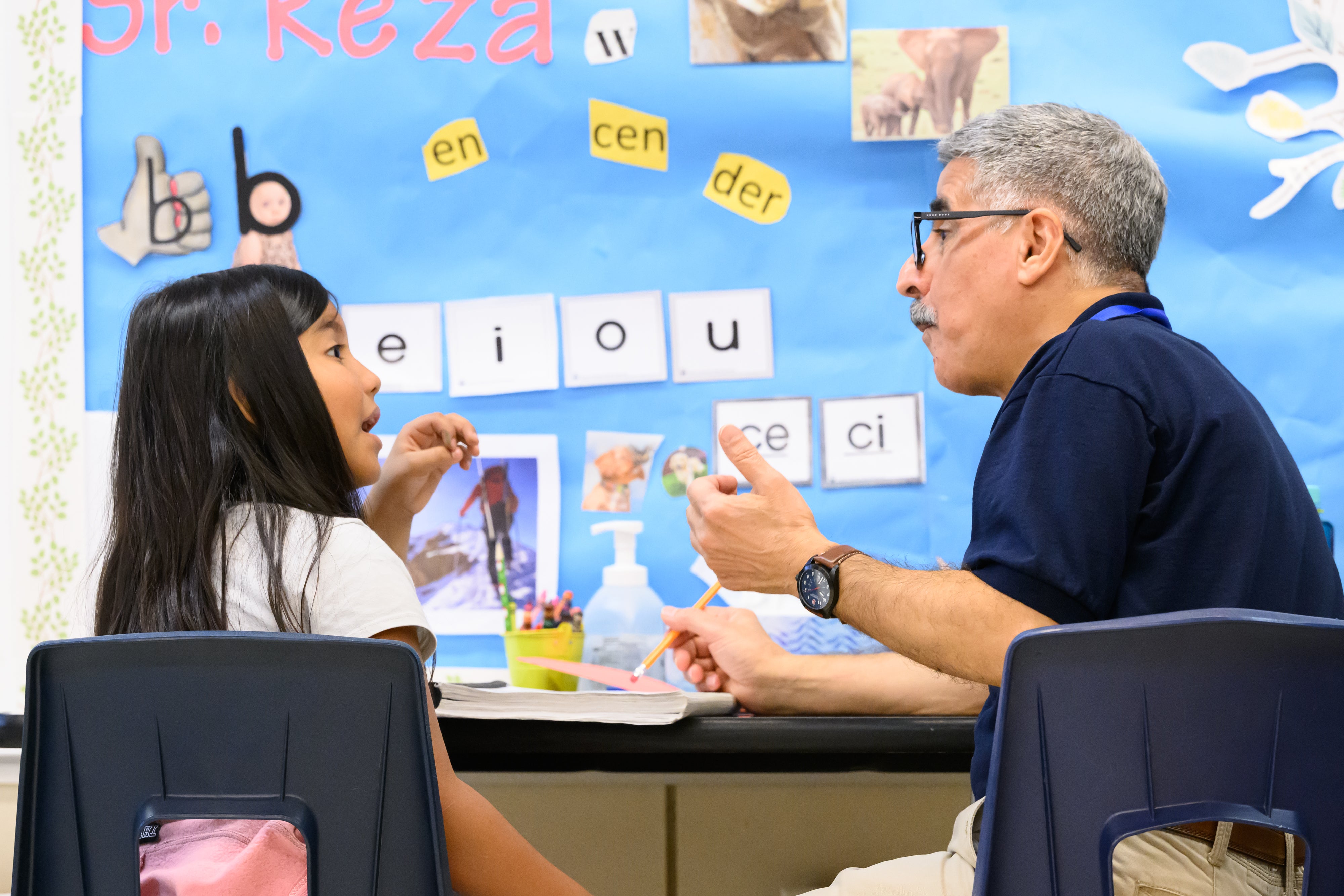
This recently published examination of Literacy First is important to the field because it is one of the few long-term studies of a reading intervention program examined in an authentic setting. Most research studies involving reading interventions are not as expansive as this study, as they focus on only one grade level, use smaller sample sizes, or have the researcher also serve as the implementor. By contrast, this study examined long-term interventions, often lasting a full school year, carried out by paraprofessional tutors who live in the communities they teach. Paraprofessional Literacy First tutors are comprehensively trained educators who either serve as AmeriCorps members or are hired by school districts as support staff to implement the interventions. As such, this study validates the power of the paraprofessional educator, demonstrating the positive contributions paraprofessionals can make in individualized, differentiated learning environments.
Literacy First is proud to be a data-driven and research-based program, finding efficient and innovative ways to help all children learn to read so they can thrive in school and in life. This study provides verifiable evidence that Literacy First’s approach and instructional materials help students achieve significant gains in their literacy skills. Developing these skills creates a strong foundation for students to excel in other subject areas and ultimately opens the door to more opportunities for success in life.

About the Author
Sebastian Wren
Sebastian serves as the senior program coordinator for research and development for Literacy First, an early childhood literacy intervention program. He facilitates the development of intervention curricula and manages the program’s assessment and data systems.
Learn More about Literacy First
Discover how Literacy First teaches young children how to read, equipping them to excel in life and realize their dreams.